Build the weekend in HolidayPal

 1 / 6
1 / 6Rome rewards you for picking the right base. The city is a patchwork of distinct rioni and districts, and where you sleep shapes how much walking, noise and money your trip involves. Below are six areas we're confident sending visitors to, each with an honest note on the trade-offs, so you can match a neighbourhood to how you actually want to travel.
🏨Compare Rome hotel prices on Hotels.com →🧭Also compare on ExpediaCentro Storico (Historic Centre)
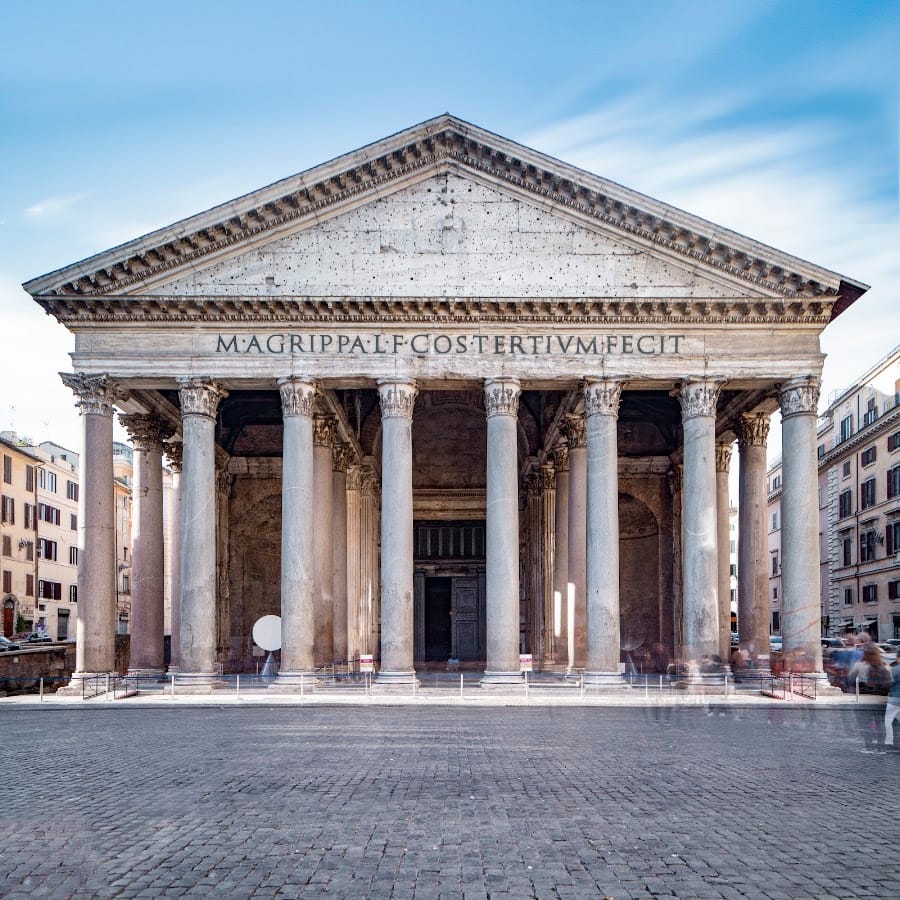
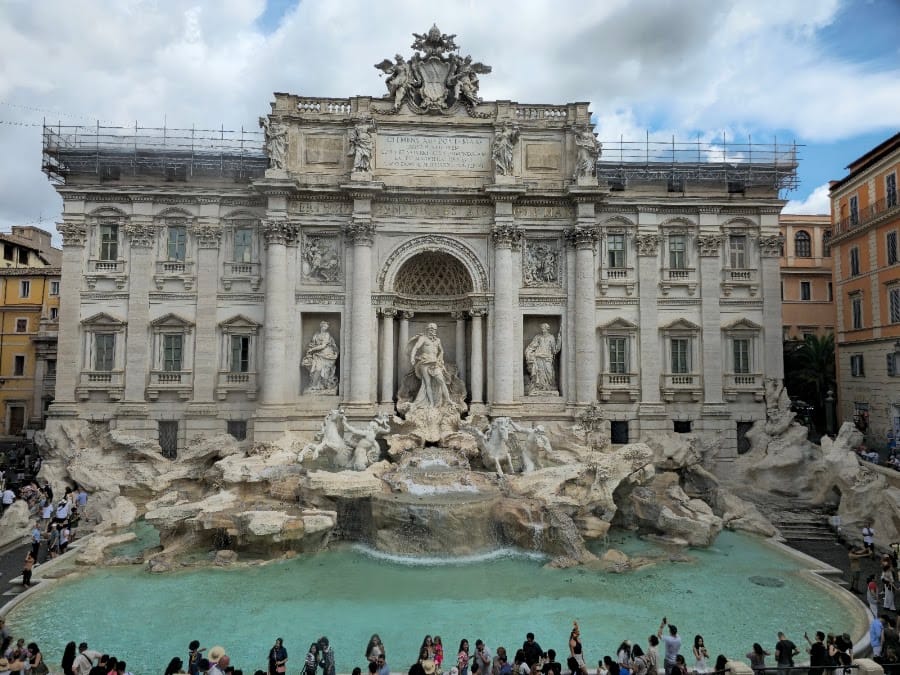
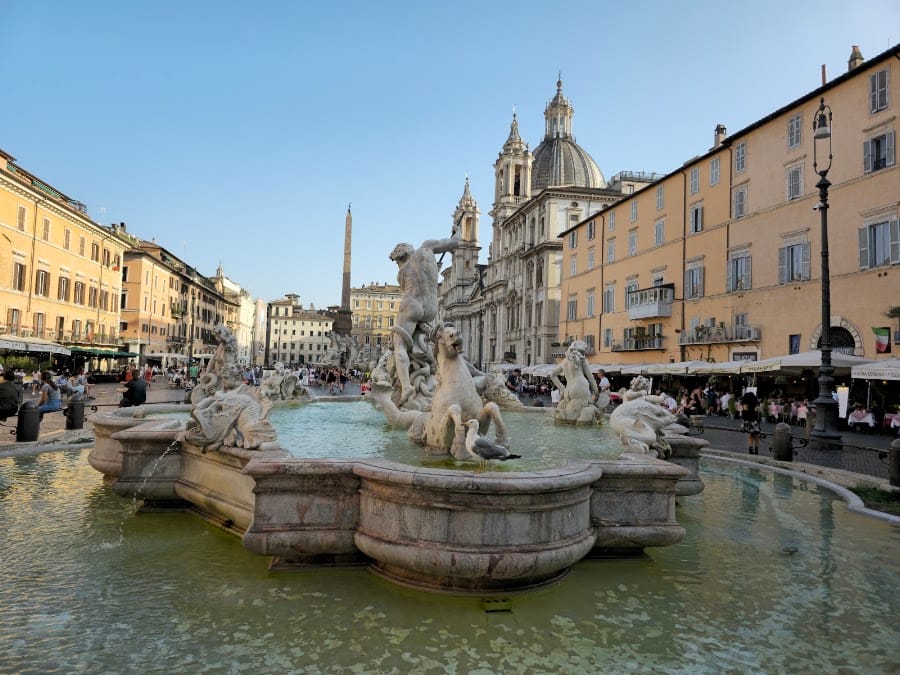
This is the postcard Rome most first-timers picture: cobbled lanes opening onto baroque piazzas, with the Pantheon, Piazza Navona, the Trevi Fountain and Campo de' Fiori all within an easy stroll. Staying here means rolling out of bed into the sights, which is a genuine luxury if it's your first visit and you want to maximise time on foot. The honest trade-off is that it's the most crowded, most touristy and most upscale part of the city, so expect higher room rates and busy streets from morning to night. Best for first-timers who prioritise location above all.
Monti
Rome's oldest rione sits just north of the Colosseum and the Roman Forum, yet feels like a village: a slightly bohemian but well-heeled tangle of wine bars, boutiques and trattorias. It's quieter than the tourist core while still keeping the ancient ruins and Basilica di Santa Maria Maggiore within walking distance, which makes it a lovely pick for couples who want atmosphere without the crush. Prices sit in the mid range. The trade-off is that it's residential and compact, so it's more about evening strolls and neighbourhood dinners than big-name attractions on the doorstep.
Trastevere
Across the Tiber, Trastevere is all cobblestone streets, ivy-clad houses and buzzing piazzas, and it's one of the most atmospheric corners of the city. It's a strong choice if you want bars and restaurants on your doorstep, with the Basilica di Santa Maria in Trastevere, Villa Farnesina, Tiber Island and the Gianicolo Hill all close by. Prices are mid range. The catch is the noise: this is one of Rome's liveliest nightlife areas, so it gets loud after dark, which is a plus for night owls and a minus for light sleepers.
Prati
Prati is an elegant, orderly residential district of wide avenues and honest local restaurants, sitting right by the Vatican. It's noticeably calmer than the centre, which makes it well suited to families who want space and a more measured pace, and it's ideal if the Vatican Museums, St Peter's Basilica and Castel Sant'Angelo are high on your list. Metro Line A connects you to the rest of the city, and the Mercato Trionfale is handy for self-caterers. The trade-off is that it feels more everyday-neighbourhood than tourist-Rome, so you'll rely on the Metro or a walk to reach the historic core.
Testaccio
Traditionally working-class, Testaccio has become one of Rome's culinary hubs, which makes it a genuinely appealing budget base for food-minded travellers. It's authentic and local, with the Testaccio Market, Monte Testaccio, the Pyramid of Cestius and the Protestant Cemetery all nearby, and it stays close enough to the main sights to be practical. The honest note is that it's less pretty than the postcard centre and lighter on marquee attractions, but it's pleasant, well-connected and easier on the wallet than most central options.
Piazza di Spagna / Trevi area
This is Rome's smart shopping and luxury-hotel district, gathered around the Spanish Steps and within reach of the Trevi Fountain and the Villa Borghese gardens. It's elegant and thoroughly central, with designer boutiques along Via dei Condotti, so it suits couples and anyone who wants an upscale, polished base. The clear trade-off is price: this is one of the pricier parts of the city, and its central position means it draws plenty of crowds. Best for upscale shopping and couples happy to pay for the setting.
How to choose
If it's your first visit and you want the sights on your doorstep, base yourself in the Centro Storico and accept the higher prices and crowds. For atmosphere without the crush, Monti gives you a village feel steps from the ancient ruins, while Trastevere trades quiet for the city's best nightlife. Families and Vatican-focused visitors will find Prati calmer and better value, and food lovers watching their budget should look at Testaccio. If a smart, upscale setting matters most and money is less of a concern, the Piazza di Spagna and Trevi area delivers it. In short: weigh central-but-pricey against outer-but-calmer, and let your priorities on noise, budget and walking distance decide.
FAQs
Where should I stay in Rome for my first visit? The Centro Storico is the classic first-timer choice, putting the Pantheon, Piazza Navona and the Trevi Fountain within walking distance. Just budget for upscale rates and busy streets. If you'd like something calmer but still central, Monti is a short walk from the Colosseum.
Which area is best for nightlife? Trastevere is the standout for bars and restaurants, with buzzing piazzas that stay lively well into the night. That energy is the draw, but it also means noise after dark, so pick this area if you want to be in the middle of it rather than away from it.
Where is best for families or a quieter, better-value stay? Prati is an elegant, orderly residential district that's calmer than the centre, ideal for Vatican visits and connected by Metro Line A. For a budget-friendly, food-focused base, Testaccio is authentic, local and still close to the sights.
Things to do in Rome
🎟️ Top things to do in Rome
Skip the queues with pre-booked tickets. Compare prices across GetYourGuide and Tiqets — both offer free cancellation up to 24 hours before.
#ad — we earn a small commission at no cost to you when you book through our links.