Build the weekend in HolidayPal

 1 / 6
1 / 6Seville is compact and hugely walkable, so almost anywhere in or near the old town puts you within reach of the Cathedral, Real Alcazar and the tapas bars. The trade-off is the usual one: the most central, atmospheric barrios are the priciest and busiest, while a bridge or a short walk away you get more space, more locals and lower prices. Here are six areas we can confirm are genuinely sensible bases, with the honest pros and cons of each.
🏨Compare Seville hotel prices on Hotels.com →🧭Also compare on ExpediaBarrio Santa Cruz
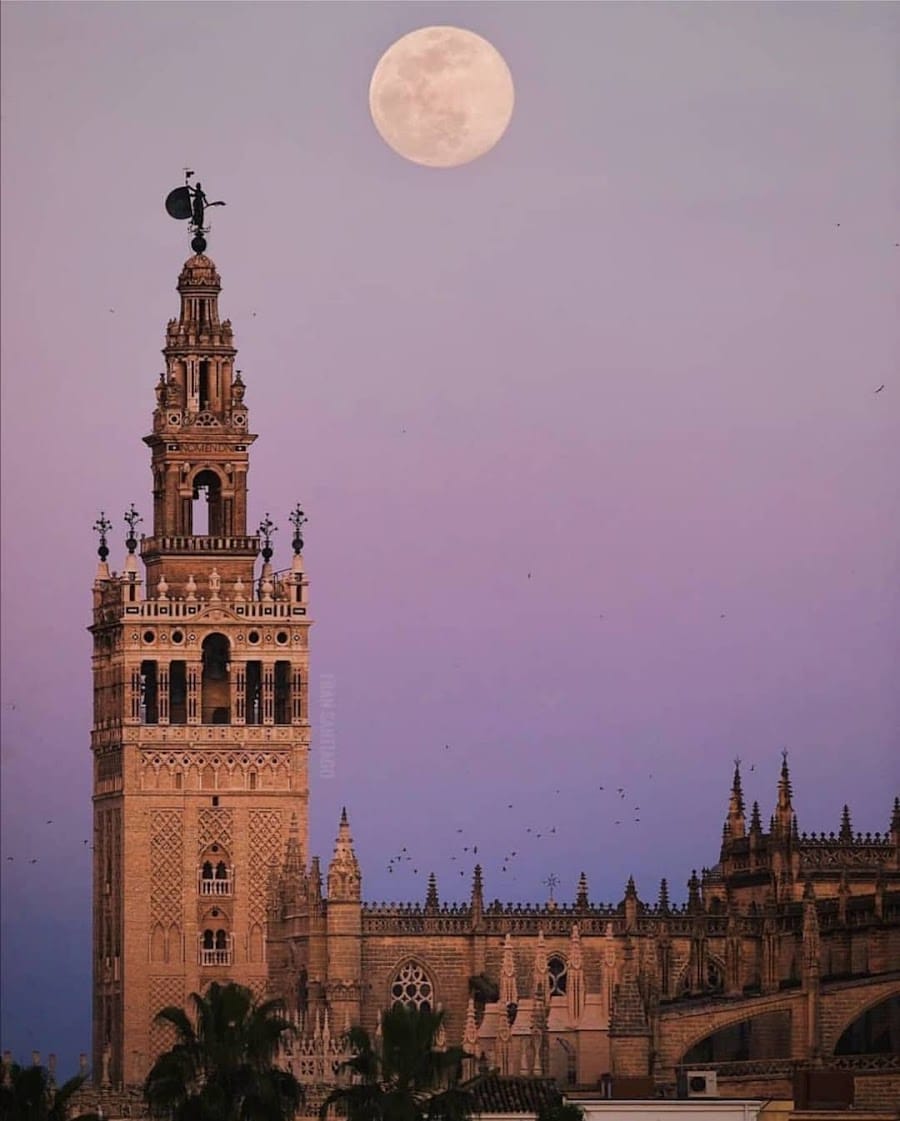
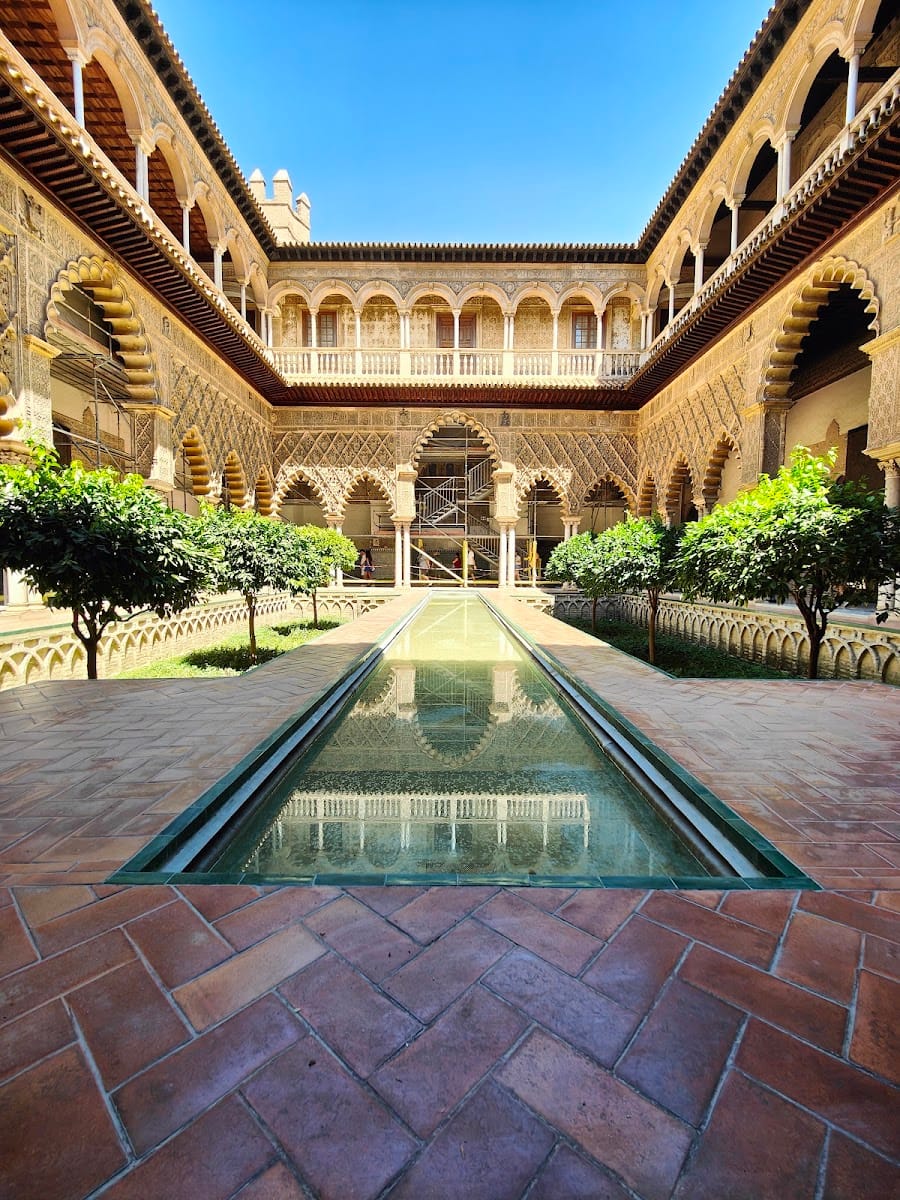
The old Jewish quarter is the postcard Seville most first-timers picture: a labyrinth of narrow, tiled lanes, hidden squares and orange trees, wrapped right around the Cathedral, Giralda and Real Alcazar. It is the best pick if you want everything on your doorstep and don't mind paying for it, with the Museo del Baile Flamenco nearby and Plaza de Espana a short walk away. Be honest with yourself about the downsides, though: this is the most touristy part of the city, lively but crowded by day, prices skew upscale, and the twisting lanes can be disorienting when you're hauling a suitcase.
El Centro (Casco Antiguo / Alfalfa)
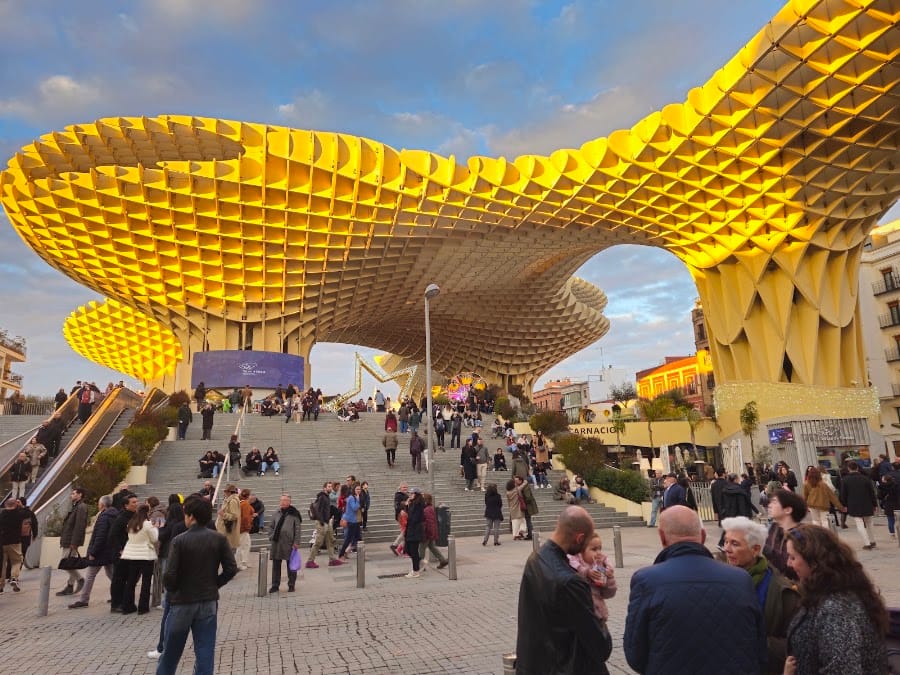
The historic core sits just north of Santa Cruz and is, if anything, even more central, with grand squares, landmark buildings and largely pedestrianised streets. It suits travellers who want shopping and nightlife close by, around the Metropol Parasol (Setas de Sevilla), Plaza Nueva and Plaza de la Encarnacion, with the Cathedral an easy stroll. Pricing here is mixed, so you can find both boutique splurges and more moderate rooms. The trade-off is that it's more commercial and busier than the prettier Santa Cruz lanes, so it can feel less romantic and noisier around the main squares.
El Arenal
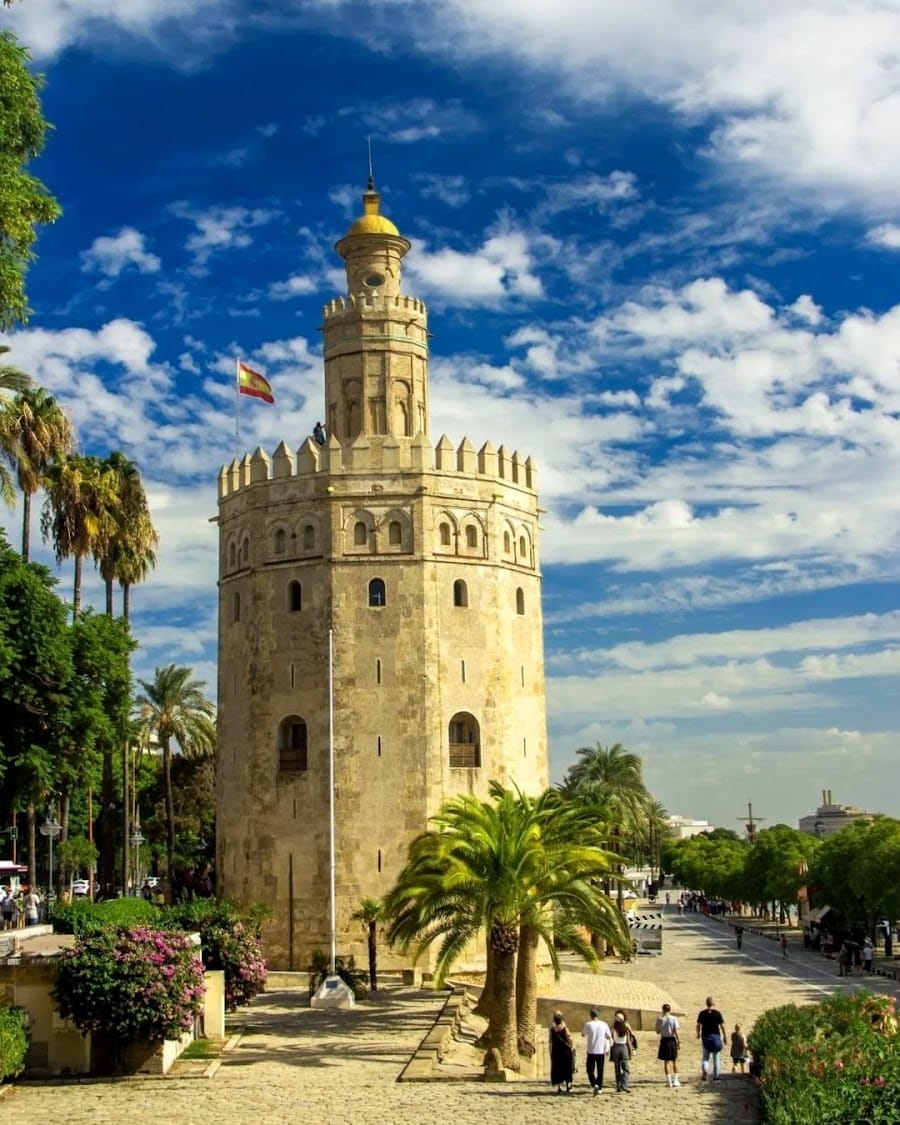
Between the centre and the Guadalquivir on the east bank, this historic former port district is a smart middle-ground: still central and walkable, a touch quieter than Santa Cruz, and often a bit cheaper. You're beside the Plaza de Toros de la Real Maestranza bullring and the Torre del Oro, with the riverfront and Cathedral close at hand, so it's a good riverside base at mid-range prices. It's less obviously charming than the old Jewish quarter and has fewer sights of its own, but for many visitors that calmer, convenient feel is exactly the appeal.
Triana
Across the Guadalquivir, this traditional, historically working-class barrio is the most local-feeling option, known for its ceramics workshops, tapas bars and deep flamenco roots. It tends to be budget-friendlier than the centre and comes alive along the river, especially the Calle Betis bars, the Mercado de Triana and the Puente de Isabel II (Triana Bridge). The honest trade-off is that you're a bridge away from the main monuments, so expect a short walk over the river to reach the Cathedral and Alcazar, rather than stepping straight out among them.
Alameda de Hercules
Built around a long, tree-lined boulevard north of the centre, this is Seville's bohemian, alternative quarter, with innovative dining and busy bars that draw a younger crowd. It's the pick if nightlife and a break from the traditional flamenco-and-tiles side of the city are what you're after, with the Metropol Parasol nearby and the Basilica de la Macarena within reach. Prices are mid-range. The obvious caveat is noise: this is a going-out area, so it can be loud at night, which won't suit light sleepers or early risers.
Los Remedios
On the west bank, this upscale, mainly residential neighbourhood has wide, straight, tree-lined avenues and a calm, everyday feel that families and quiet-seeking travellers appreciate. It's home to the Parque de los Principes and the Real de la Feria fairground that hosts the Feria de Abril, and it sits just across the river from El Arenal and the centre. Prices are mid-range. The trade-off is distance and atmosphere: you're further from the main sights and there's less tourist buzz, so you'll walk more and rely on the bridges to reach the historic core.
How to choose
If it's your first visit and you want to walk everywhere, base yourself in Barrio Santa Cruz or El Centro and accept the higher prices and crowds. For a central but slightly calmer and better-value stay, El Arenal by the river is a reliable compromise. Want a more local, affordable and characterful Seville? Cross the water to Triana. Night owls and a younger crowd should look at Alameda de Hercules, while families and anyone after peace and space will be happiest in residential Los Remedios, trading proximity for calm.
FAQs
Where should first-time visitors stay in Seville? Barrio Santa Cruz and El Centro are the classic first-timer choices because they put the Cathedral, Real Alcazar and the main squares within an easy walk. Both are central and atmospheric, though prices are higher and the streets busier by day.
Which is the best area for a cheaper or more local stay? Triana, across the Guadalquivir, tends to be more budget-friendly and feels genuinely local, with ceramics workshops, tapas bars and riverside nightlife. You'll just cross the Triana Bridge to reach the main sights.
Is Seville walkable between neighbourhoods? Yes, the city is compact and the historic barrios are close together, so you can walk between Santa Cruz, El Centro and El Arenal easily. Triana and Los Remedios are a bridge away on the west bank, adding a short river crossing.
Things to do in Seville
🎟️ Top things to do in Seville
Skip the queues with pre-booked tickets. Compare prices across GetYourGuide and Tiqets — both offer free cancellation up to 24 hours before.
#ad — we earn a small commission at no cost to you when you book through our links.